



XANDAR beschleunigt Code-Generierung für Safety-Critical Multi-Core Systeme
Die nächste Generation vernetzter Embedded Systems fordert Rapid Prototyping und High Performance ohne Kompromisse bei Trustworthiness oder Safety. Doch Deployment Safety-Critical Embedded Software bleibt gehindert durch komplexe Toolchains und intricate Engineering Prozesse. Der Rise Autonomer Systeme, die Machine Learning und AI mit Fail-Operational Requirements kombinieren, heightens Challenge von Verification und Validation nur weiter.
Um diese Obstacles zu tackle, liefert das dreijährige EU Horizon 2020 Projekt XANDAR eine Fully Integrated Software Toolchain – von Requirements Capture durch Code Integration auf Target Hardware – Complete mit Verification und Validation. Goal: Enable Rapid Prototyping Interoperabler, Autonomer Embedded Systems ohne Safety/Security Opfer.
Building auf Model-Based System Architecture introduces XANDAR Novel Automatic Model Synthesis und Software Parallelisation Techniques, die Stringent Non-Functional Requirements Meet. This Work Lays Groundwork für New Real-Time, Safety- und Security-by-Construction Paradigm, Known as X‑by‑Construction (XbC).
Multi-Core Challenge in Safety-Critical Environments
Parallel Processing hat Multi-Core Architectures Ubiquitous Across Application Domains Made. However, Programming These Systems – Especially Synchronizing Threads und Avoiding Race Conditions – Remains Difficult. Parallel Compilers, Domain-Specific Languages, Evolving Developer Experience Have Eased Burden, But In Safety-Critical Domains (Automotive, Aerospace) Remain Verification und Proof Error-Free Operation Paramount, Clashing mit Added Complexity Multi-Core Programming.
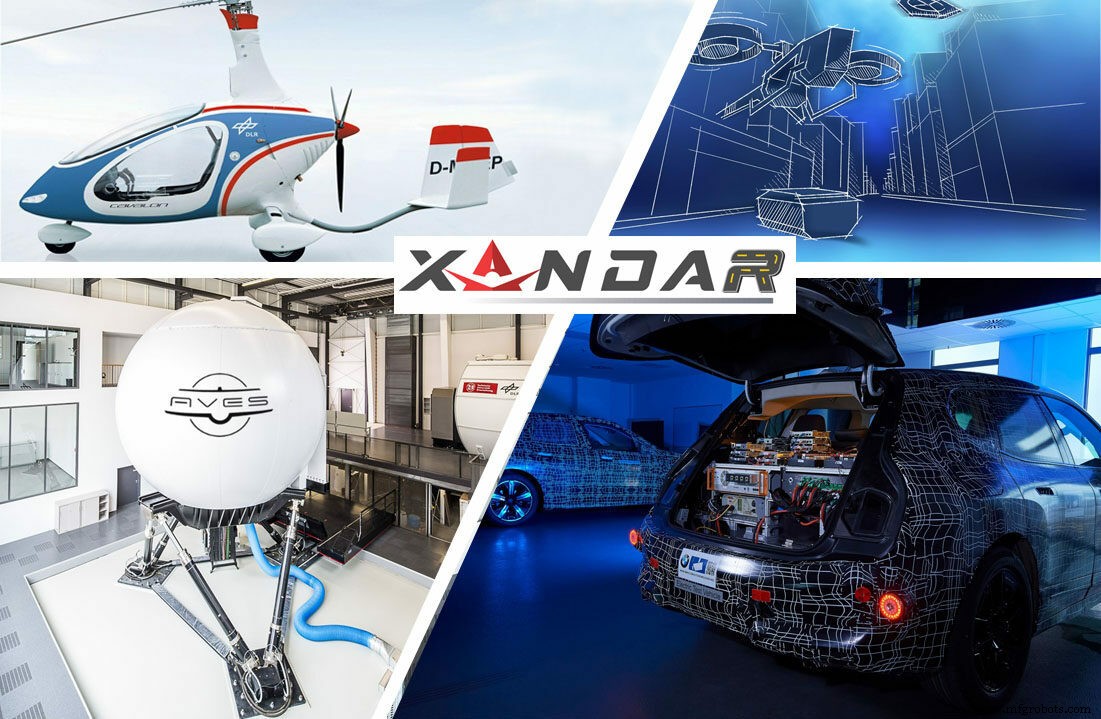
Model-Based Design Can Bridge This Gap By Allowing Developers To Abstract Away Low-Level Details While Still Modelling, Simulating, Generating Code Für Embedded Functions. This Higher-Level Approach Has Driven Adoption In Aerospace, Automotive, Process Industries, Yielding Faster Development Cycles und Lower Costs.
Despite Strengths, Model-Based Design Often Confined To Early System Specification und Architecture Exploration; Final Software Für Safety-Critical Systems Still Frequently Hand-Coded. Projects wie ARGO Introduced WCET-Aware Code Generation, Model-Based Systems Engineering Applied zu Electric/Electronic Architectures By Layering Abstraction und Viewpoints. These Advances, However, Still Require Manual Cross-Domain Integration und Suffer From Error-Prone Import/Export Workflows.
Current Research Typically Augments Architectural Models With Simple Finite-State Machine Descriptions und Generates Executable Specifications Für Simulation-Based Verification. Yet A Truly Holistic Environment – Covering Distributed Networked Architecture, Integrated Behavioural Modelling, Cross-Layer Simulation, Verification, Code Generation – Has Not Yet Been Realised.
XANDAR Aims To Fill This Void. Its Code Generator Will Uphold XbC Guarantees, Preserving All Non-Functional Properties From Input Model. Innovations Include Platform-Agnostic Code Generation, Monitoring Runnables Für Critical Services, Non-Deterministic Accelerators Tailored To AI/ML Workloads.
Achieving This Requires Automated Decision Algorithms, Formal Checks, Optimisations That Balance Real-Time Performance, Energy Efficiency, Non-Functional Guarantees, Runtime Flexibility. High-Quality Code Generators That Co-Optimise Across These Dimensions Will Demand Specialised, Cutting-Edge Solutions.
XANDAR Consortium Partners
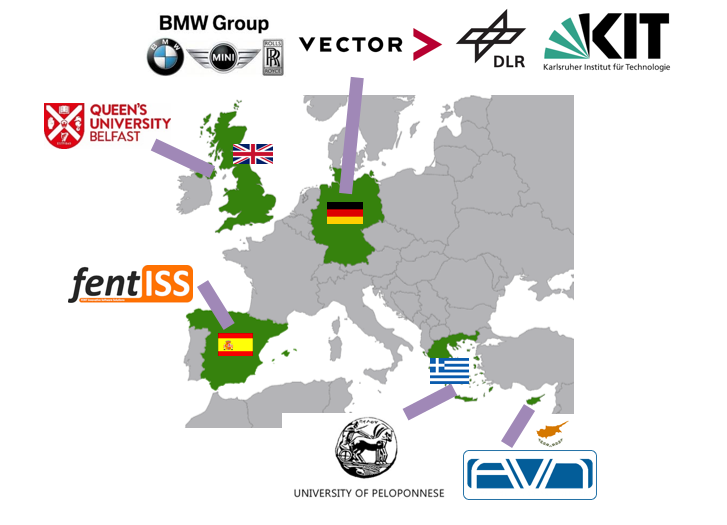
XANDAR Programme Runs Until December 2023, Funded €5 Million Under Horizon 2020. Consortium – Led by Professor Jürgen Becker, Karlsruhe Institute of Technology – Brings Together Industry und Academia:
- Karlsruhe Institute of Technology (Germany)
- University of Peloponnese (Greece)
- German Aerospace Center
- AVN Innovative Technology Solutions Ltd (Cyprus)
- Vector Informatik GmbH (Germany)
- Queen's University Belfast (Northern Ireland)
- BMW Group (Germany)
- fentISS (Spain)
Vector, One of Eight Partners, Contributes Embedded Software Expertise und High-Performance Development Environments PREEvision und TA Tool Suite.
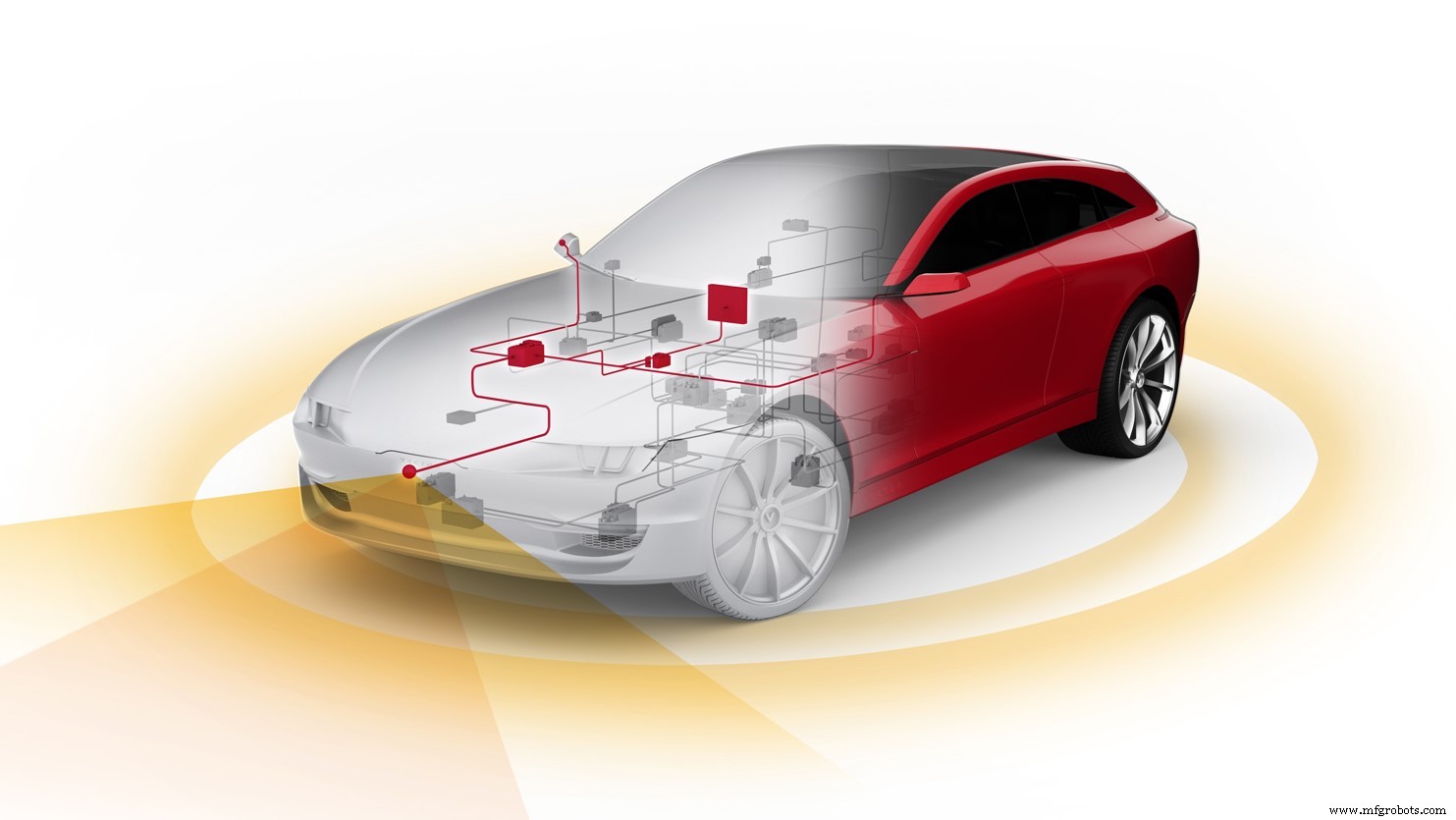
PREEvision Enables Collaborative, Model-Based Specification Connected Embedded Systems With Clear Semantics Spanning All System Levels. TA Tool Suite Supports Specification, Simulation, Validation Timing Behaviour Complex Real-Time Systems. Together, They Form Foundation Für X‑by‑Construction Design In XANDAR.
Eingebettet
- Eine praktische Taxonomie für Industrial Internet of Things (IIoT) Systeme
- Design for Manufacturability (DFM): Praktischer Guide für Engineers & Designer
- Präzise Motorsteuerung für fortschrittliche robotische Systeme
- Melexis bringt ASIL-bereiten Hall-Effekt-Sensor für sicherheitskritische Automobilsysteme
- SAFe-VX: Kontron & SYSGO's Unified Safety-Critical Railway Computing Platform
- 5 Expertentipps für präzises Blechdesign
- Vorteile eingebetteter Technologien im modularen Design
- PCB-Design für Fertigung optimieren: Schlüsselstrategien & Best Practices
- 10 unverzichtbare Automatisierungs-Workflows für Hersteller
- Optimierung des Beleuchtungsdesigns für robotergestützte Chirurgie-Visionssysteme